
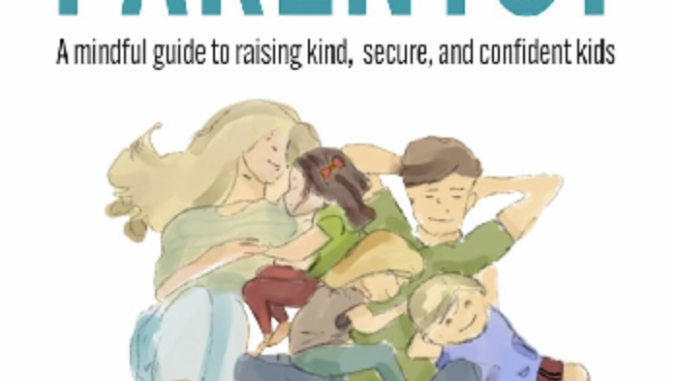
Parenting is often described as the process of adults guiding children, but Who Educates Parents? presents a more balanced and honest perspective. Written by Dr. Žilvinas Svigaris with the involvement of his family, the book explores the idea that children educate their parents just as parents educate their children. Published by Shea Publishing, the book is available now.
The strength of Who Educates Parents? lies in its family-centered approach. Instead of offering rigid rules or quick solutions, Dr. Svigaris presents stories, reflections and conversations drawn from more than twenty years of family life. His children contribute their own memories and viewpoints, adding depth and authenticity to the book. In some cases, their recollections differ from their parents’, showing how family experiences can be understood in more than one way.
The book addresses many of the major questions families face today, including how to communicate with adolescents, how to balance responsibility and independence, how education shapes family life, and how creativity and music can become part of learning. It also reflects on family traditions and the challenge of preparing children for a future that is increasingly uncertain.
Dr. Svigaris does not present himself as a distant expert with all the answers. Instead, he writes as a parent, educator and thinker who has learned through experience. With academic backgrounds in Computer Science, Economics and Philosophy, he combines intellectual reflection with practical family insight. His central message is that children should be treated as active participants in family life, not passive recipients of instruction.
Who Educates Parents? is especially relevant for modern families navigating pressure from technology, social media and shifting expectations around education. The book invites parents, teachers, grandparents and family professionals to reconsider what parenting can become when it is based on dialogue, empathy and mutual growth.