
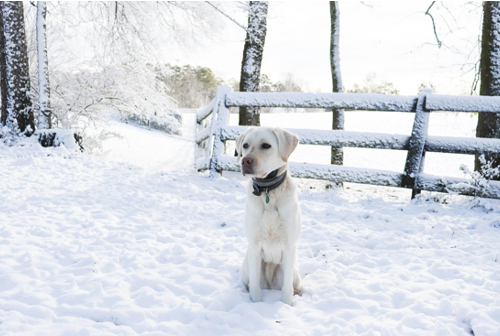
A snowy day doesn’t just change the weather — it changes the walk. The usual sounds fade, familiar routes look unfamiliar, and the pace naturally slows. For many dogs, this shift can feel calming. For others, it’s a clear signal to head straight back indoors.
Understanding what snow changes for your dog helps you decide when winter walks are helpful and when they’re not worth the risk.
Why Snow Feels Different to Dogs
Snow alters a dog’s sensory world. Smells linger longer, footsteps sound softer, and busy areas often become quieter.
For sensitive and reactive dogs, including Yellow Dogs, this calmer environment can reduce pressure. Fewer encounters and less noise may help dogs stay more settled and engaged with their handler rather than scanning for triggers.
However, sensory calm doesn’t cancel out physical discomfort from cold temperatures.
Reading Your Dog on a Snowy Walk
Winter walks work best when you observe rather than push. Signs that your dog is comfortable include relaxed movement, curiosity, and steady pacing.
If your dog starts lifting their paws, slowing down, or losing interest, it’s usually a sign that the cold is setting in. In these moments, turning back early is the right choice.
Short walks of 15–20 minutes often provide enough stimulation without risking discomfort.
Small Adjustments That Make Winter Walks Easier
Snowy walks don’t need to be complicated. A few mindful choices can make them safer and calmer:
- Walk during daylight hours when visibility is better
- Stick to quieter routes with predictable surfaces
- Keep dogs on a lead in slippery conditions
- Avoid salted or heavily treated pavements
- Use a warm, well-fitted coat or vest if needed
Staying in control allows your dog to relax and enjoy the experience.
The Importance of Ending the Walk Well
How a winter walk ends matters just as much as how it begins.
Once home:
- Dry paws, legs, and belly thoroughly
- Remove damp clothing immediately
- Check between toes for ice or irritation
- Let your dog warm up naturally and offer fresh water
This helps prevent stiffness, sore paws, and chills.
Winter Walks Don’t Have to Be Long to Be Valuable
Snow encourages slower, more thoughtful walks. For Yellow Dogs, this can mean fewer triggers, more focus, and a calmer experience overall.
Winter isn’t about walking more — it’s about walking smarter. By listening to your dog and adapting to the conditions, snowy walks can remain safe, meaningful, and quietly enjoyable.